
Individual
One person — property, retirement accounts, or a loved one with a disability to plan for.
Typically Includes
- Special needs trust
- Revocable living trust
- Will, POA & healthcare directive
- Beneficiary alignment on every account
 Old Courthouse, St. Louis · Photo via Wikimedia Commons
Wills, trusts, and powers of attorney — built around your family, not a template.
Probate and trust administration, handled start to finish by one attorney.
Formation through succession — the same attorney who handles your estate.
A special needs trust holds an inheritance for a loved one with a disability so it doesn't count against the asset limits for Medicaid or Supplemental Security Income (SSI).
Deborah Smiley is a Missouri estate attorney and a CFP® — a Certified Financial Planner — so the trust is built around your family's actual benefits and finances, not a generic form.
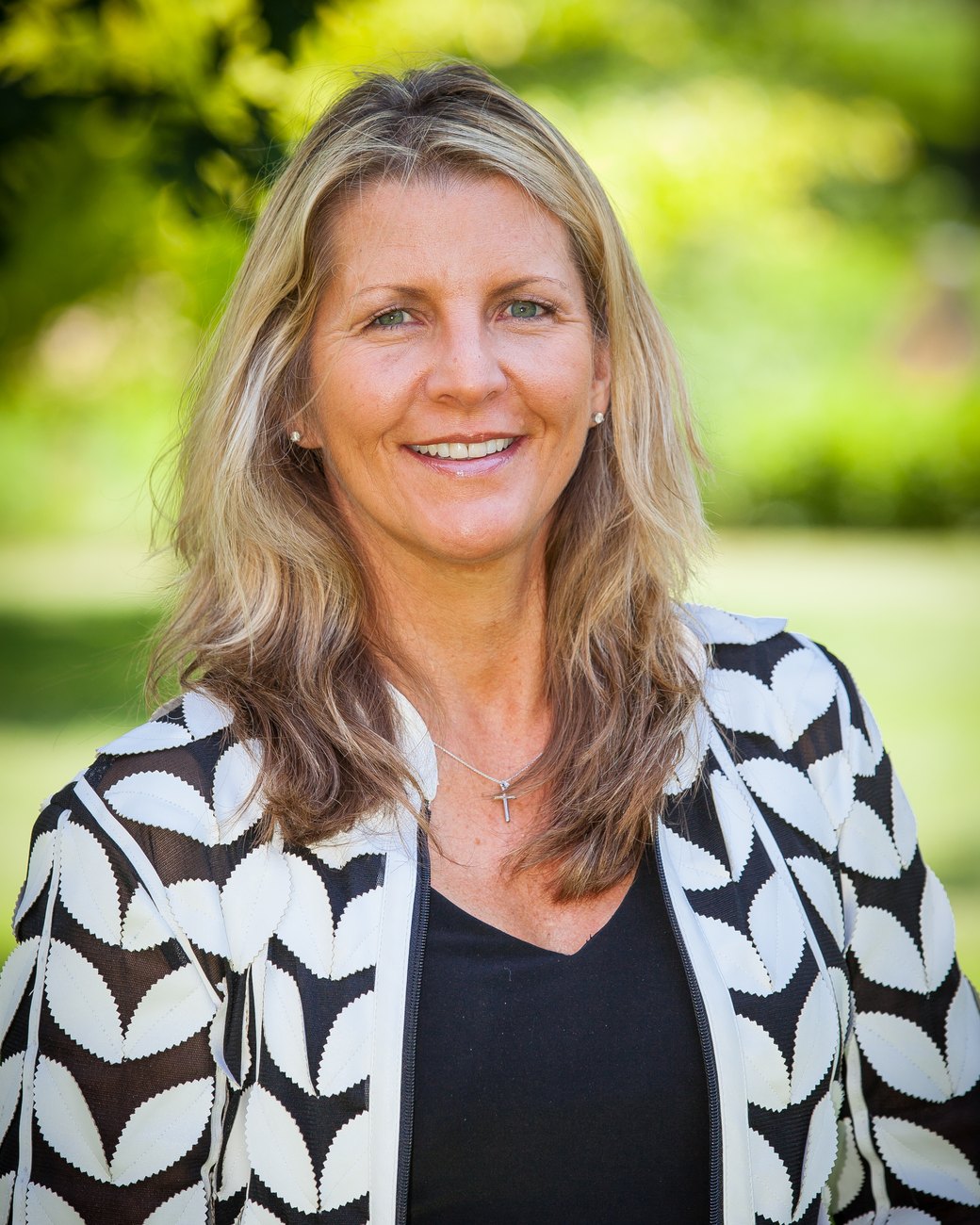
Practicing law
In wealth management, alongside her law practice
Certified Financial Planner
Accredited Estate Planner
A special needs trust holds assets for a loved one with a disability, managed by a trustee instead of owned outright by them — so it can pay for extras without disqualifying them from need-based government benefits.
Because the trust owns the assets, not your loved one, they can still qualify for means-tested benefits.
Someone you choose manages distributions — your loved one never has direct access, which is what protects their eligibility.
Therapies, equipment, education, transportation, and other supplemental needs, without counting as income.
Parents, grandparents, and others can contribute over time, or direct an inheritance into it instead of to your loved one directly.
Structured to provide for your loved one's entire lifetime, with a successor trustee plan in place.
Works alongside your will and other trusts, so no inheritance accidentally bypasses it.
Deborah Smiley is a Missouri estate attorney and a CFP® — a Certified Financial Planner — so the trust is built around your family's actual benefits and finances, not a generic form.
Said plainly, so you know what else to plan for.
Cash paid straight to the beneficiary can reduce or eliminate SSI. Distributions go to third parties instead — for services, equipment, or care.
A special needs trust addresses inheritance. A will still names guardians and directs everything else.
Learn about Wills →If a relative leaves money straight to your loved one instead of into the trust, it isn't automatically covered — everyone involved needs to know the trust exists.
Not sure how this applies to your situation?
Call 636-214-0546Most special needs trusts fail to protect benefits for reasons that have nothing to do with how they were written. Here's what we check for, every time.
The single most common mistake. We confirm every family member's will and trust directs gifts into the special needs trust, not to your loved one by name.
A well-meaning family member can disqualify benefits by mismanaging distributions. We help you choose and prepare the right trustee.
Without written guidance on routines and preferences, a new trustee or guardian is left guessing. We help you put one in place.
A special needs trust is rarely priced on its own. Most plans are a flat fee, set before you commit to anything, that covers it alongside whatever else you need. What changes the number is complexity — whether you're planning alone, as a couple, or across multiple assets and entities.
One person — property, retirement accounts, or a loved one with a disability to plan for.
Two people — one coordinated plan instead of two that may conflict.
Multiple assets, entities, or a business — coordinated with your CPA and other advisors.
Get an exact number for your situation — the first call is free.
Call 636-214-0546Current benefits, care needs, and who else may want to leave a gift — in one real meeting.
Current benefits, care needs, and who else may want to leave a gift — in one real meeting.
Structured to preserve Medicaid and SSI eligibility, and coordinated with your will and other trusts.
Assets retitled, and family members told exactly how to direct future gifts correctly.
Reviewed every year, so it still matches your loved one's needs and the benefit rules.
Deborah has practiced law in Missouri for 30 years. For 11 of those years, she also worked in wealth management — a combination that matters here, since few attorneys understand SSI and Medicaid asset rules as thoroughly as someone who's also spent years managing real financial plans.
She's a CFP® (Certified Financial Planner) and an AEP® (Accredited Estate Planner) — credentials very few estate attorneys hold together.
Ready to talk through your plan?
Call 636-214-0546Client Reviews
Deb has been a great partner over the years and takes great care of my referrals/clients for their planning needs.
I met Deb and I thought I had all my estate and business planning affairs in order; then she asked me questions that made me realize I had a lot more planning to do.
Deb and I have been collaborative partners for almost 20 years. She has taken great care of my clients.
I have known Deb for years and she has given me peace of mind with my estate planning needs.
Deb has been instrumental in helping my family with their estate planning needs. We are grateful for her.
Deb has been very helpful with my and my family's estate and business planning.
When we first moved here, I didn't realize how many legal revisions and details were needed. I heard Deb speak at a luncheon and was so impressed with her legal knowledge. Deb has been very helpful with my family's estate planning. She gave us peace of mind.
Deb, thank you so much, we really appreciate all of your work and concern.
Deb was very responsive and helpful.
Deb was so helpful and even came to our house.
Deb was very responsive, helpful and intelligent.
Deb has been a great partner over the years and takes great care of my referrals/clients for their planning needs.
I met Deb and I thought I had all my estate and business planning affairs in order; then she asked me questions that made me realize I had a lot more planning to do.
Deb and I have been collaborative partners for almost 20 years. She has taken great care of my clients.
I have known Deb for years and she has given me peace of mind with my estate planning needs.
Deb has been instrumental in helping my family with their estate planning needs. We are grateful for her.
Deb has been very helpful with my and my family's estate and business planning.
When we first moved here, I didn't realize how many legal revisions and details were needed. I heard Deb speak at a luncheon and was so impressed with her legal knowledge. Deb has been very helpful with my family's estate planning. She gave us peace of mind.
Deb, thank you so much, we really appreciate all of your work and concern.
Deb was very responsive and helpful.
Deb was so helpful and even came to our house.
Deb was very responsive, helpful and intelligent.
A legal arrangement that holds assets for a loved one with a disability, managed by a trustee instead of owned by them directly, so an inheritance doesn't disqualify them from Medicaid or SSI.
No — if it's structured and funded correctly, it protects those benefits rather than threatening them.
A third-party trust is funded by family for your loved one's benefit and has no Medicaid payback requirement. A first-party trust holds your loved one's own assets — like a settlement — and must reimburse Medicaid after they pass away.
You can, but it's usually a mistake. A direct inheritance can disqualify them from benefits immediately. Directing it into a special needs trust instead protects both the inheritance and the benefits.
Someone who understands, or is willing to learn, the benefit rules — a family member, a professional trustee, or a combination of both.
Anything that supplements rather than duplicates government benefits — therapy, equipment, education, transportation, and similar costs.
It depends on the type. A third-party trust can pass to other family members. A first-party trust must first reimburse Medicaid for benefits it paid.
It's rarely priced on its own — most plans bundle it with a will and other documents into one flat fee. Call for a free 30-minute consultation and you'll know your exact fee before you commit to anything.
Call to schedule your free 30-minute consultation with Deborah — no obligation.
Call 636-214-0546